RustInPractice(19):Tokio 异步基础
async 不是“自动开线程”。Rust 的 async fn 返回 Future,Future 只有被 runtime 轮询时才推进;遇到 .await 无法继续时,它让出执行权,其他任务可以运行。
RustInPractice 第 19 篇。对应 demo:
learning_guide的 async 子命令、thread_pool。下一篇讨论有界并发与后台任务。
一、Future 是惰性的描述
1 | async fn fetch_name() -> String { |
调用 fetch_name() 得到的是 Future,不会立刻执行。需要在 async 上下文 .await,并由 Tokio runtime 等 executor 轮询:
1 |
|
二、任务不是 OS 线程
1 | let first = tokio::spawn(async { 1 + 1 }); |
Tokio task 是 runtime 调度的轻量任务。大量等待网络或计时器的任务可复用少量 OS 线程;但 CPU 密集循环或阻塞文件操作会占住 runtime worker,应该使用专用线程池或 spawn_blocking。
三、取消是 drop,不是异常
一个 task 的 JoinHandle 被 abort,或 Future 被丢弃时,Future 会在下一个可取消点停止。资源仍会执行 Drop,但外部副作用可能已经完成一部分。因此要设计幂等操作、超时和明确的关闭信号。
tokio::select! 可等待多个事件中的第一个:超时、取消信号、channel 消息等。它是 async 服务优雅退出和请求超时的基本工具。
四、不要在 async 中阻塞
| 工作 | 合适方式 |
|---|---|
| 网络、Tokio timer、async channel | .await |
| 短小同步计算 | 直接执行 |
| CPU 密集或阻塞库调用 | spawn_blocking / 专用线程池 |
| 长时间持有同步 Mutex | 重构,避免跨 .await |
五、小结
- async 函数返回惰性 Future,runtime 负责轮询。
- Tokio task 不等于线程,适合高并发等待。
- Future drop 即取消,需要设计超时与幂等性。
- 阻塞工作不能占用 async runtime worker。
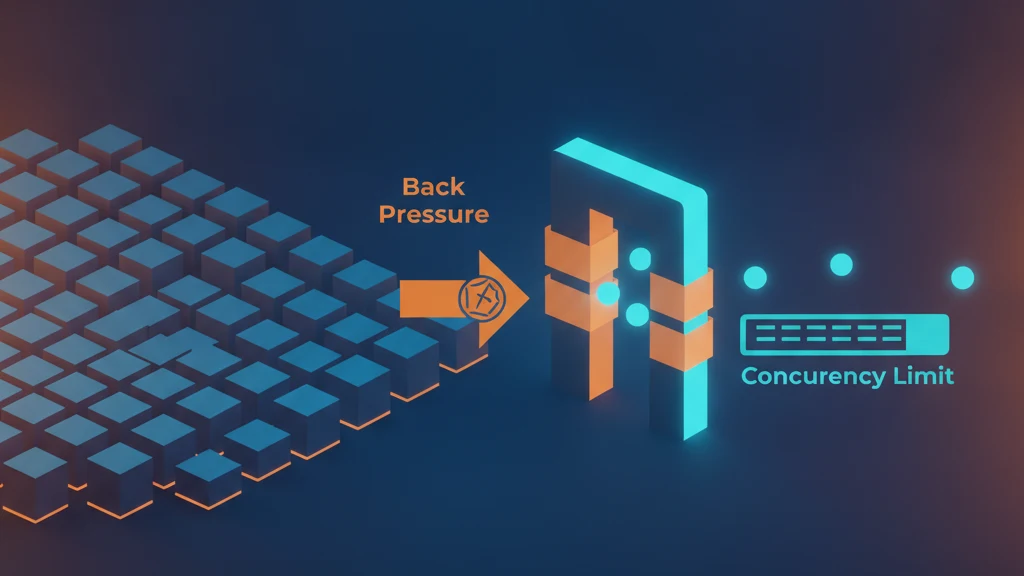
下一篇:Semaphore、背压与后台任务,限制并发比无限 spawn 更重要。
本博客所有文章除特别声明外,均采用 CC BY-NC-SA 4.0 许可协议。转载请注明来源 WALL-E's Blog!
相关推荐

2026-07-23
RustInPractice(23):WebSocket 与异步流
WebSocket 在 HTTP upgrade 后保持双向消息通道。tokio-tungstenite 将连接同时实现 Stream 与 Sink,接收用 next().await,发送用 send().await。 对应 networking/websocket。下一篇:SQLite。 1234while let Some(message) = ws.next().await { let message = message?; ws.send(Message::Text("Echo: hello".into())).await?;} 服务端通常为每条连接 spawn 一个 task,连接结束后 task 自动结束。需要显式处理 text、binary、ping、pong、close 和错误;demo 将 binary 转成文本提示,因此它是文本 echo,不是保留二进制 payload 的 echo 服务。 accept 循环也不应静默吞掉 listener 错误。生产服务还需要连接上限、超时、认证和关闭协议。 ...
2026-07-22
RustInPractice(20):限流、背压与后台任务
每个请求都 spawn 一个任务看起来很轻松,但高峰时会把内存、连接和下游服务推向失控。生产级异步系统的关键不是“能并发”,而是“知道什么时候必须慢下来”。 RustInPractice 第 20 篇。对应 demo:concurrency/thread_pool。下一篇用 CLI、配置、文件和日志组织一个真实入口。 一、demo 实际是什么?TaskPool 使用 tokio::sync::Semaphore: 12let _permit = semaphore.acquire().await?;run_task().await; 它限制同一时刻运行的任务数量,但每个提交仍会创建 Tokio task。因此它准确的名称是异步并发限制器,不是固定 worker 线程池。真正 worker pool 通常还需要有界 channel、固定 worker 集合和关闭协议。 二、背压策略必须可见队列或 semaphore 满时,系统可以: 策略 结果 等待 提高延迟,保护下游 拒绝 快速返回,调用方重试或降级 超时 避免无限等待 丢弃 只适合可丢失事件 ...

2026-07-20
RustInPractice(01):变量、类型、函数与控制流
Rust 初看有不少符号:let、mut、->、末尾分号。真正值得先建立的直觉只有一句:Rust 用不可变绑定做默认值,并把很多控制结构设计成会产生值的表达式。 这是 RustInPractice 的第 01 篇。上一篇完成 Cargo 环境;本篇的示例可以直接放进任意 main.rs 运行。下一篇进入 struct、enum 和模式匹配。 一、绑定默认不可变let 创建的是一个绑定。默认不能通过该绑定修改值: 12345let retries = 3;// retries += 1; // 编译错误let mut remaining = 3;remaining -= 1; 这不是说数据永远不能变,而是要求修改意图写在 mut 上。读到函数时,读者能先判断哪些局部状态会变化。 Rust 也允许 shadowing:同名新绑定遮住旧绑定。 12let input = "42";let input: u32 = input.parse().expect("literal is a valid integer"); 这里前一个 ...

2026-07-22
RustInPractice(21):CLI、配置、日志与错误边界
语言特性最终要落到程序入口。一个可靠 CLI 应将参数解析、配置读取、业务逻辑、日志和错误呈现分层,使核心代码可测试、命令行只是薄薄的一层适配器。 RustInPractice 第三季收官篇。对应 demo:learning_guide、argv_demo、filesystem_demo。第四季将进入 Axum、WebSocket、SQLite 与算法实践。 一、用 Clap 声明命令结构12345#[derive(clap::Subcommand)]enum Commands { List, Demo { name: String },} learning_guide 将 subcommand 解析后交给 demos::run。入口只负责输入适配,模块负责业务行为,这让同一逻辑既能被 CLI 调用,也能被测试直接调用。 二、配置来源要有优先级常见顺序是:命令行参数 > 环境变量 > 配置文件 > 安全默认值。不要把密钥写进默认值、示例输出或日志;示例使用 user@example.com、<T...

2026-07-23
RustInPractice(24):SQLite 与 rusqlite
rusqlite 用 Rust 类型包装 SQLite 的连接、参数绑定、查询和事务。核心规则是:SQL 值永远通过参数绑定传递,不用字符串拼接。 对应 database/sqlite3。下一篇:数据结构。 1234conn.execute( "INSERT INTO students (class_id, name, score) VALUES (?1, ?2, ?3)", params![1, name, score],)?; query_map 将行映射为 struct,? 将数据库失败传播到调用边界。事务应使用 checked transaction,并同时演示 commit 与 rollback;当前 demo 使用内存数据库和 unchecked_transaction(),只适合作为 API 导览。 真实项目还应启用 foreign keys、维护 migration、测试约束、使用持久路径,并决定连接是否只能在同步线程中使用。 下一篇:数据结构在 Rust 中的所有权边界。

2026-07-20
RustInPractice(04):数组、Vec、元组与迭代器
集合是所有权规则最容易“看得见”的地方:同样是遍历,for item in values、for item in &values、for item in &mut values 的语义完全不同。本篇借 array_demo、tuple_demo 和 closure_demo 建立容器与迭代的基本选择。 这是 RustInPractice 的第 04 篇。对应 demo:array_demo、tuple_demo、closure_demo。下一篇用 Option、Result 和 ? 处理可恢复错误。 一、固定数组和动态 Vec[T; N] 的长度是类型的一部分,适合编译期已知数量的数据: 1let weekdays: [&str; 3] = ["Mon", "Tue", "Wed"]; Vec<T> 是可增长的连续容器,适合运行时才能知道长度的数据: 1234let mut scores = vec![80, 92, 76];scores.push(88);scores.re...